All our reviews are on Rhinoplasty only
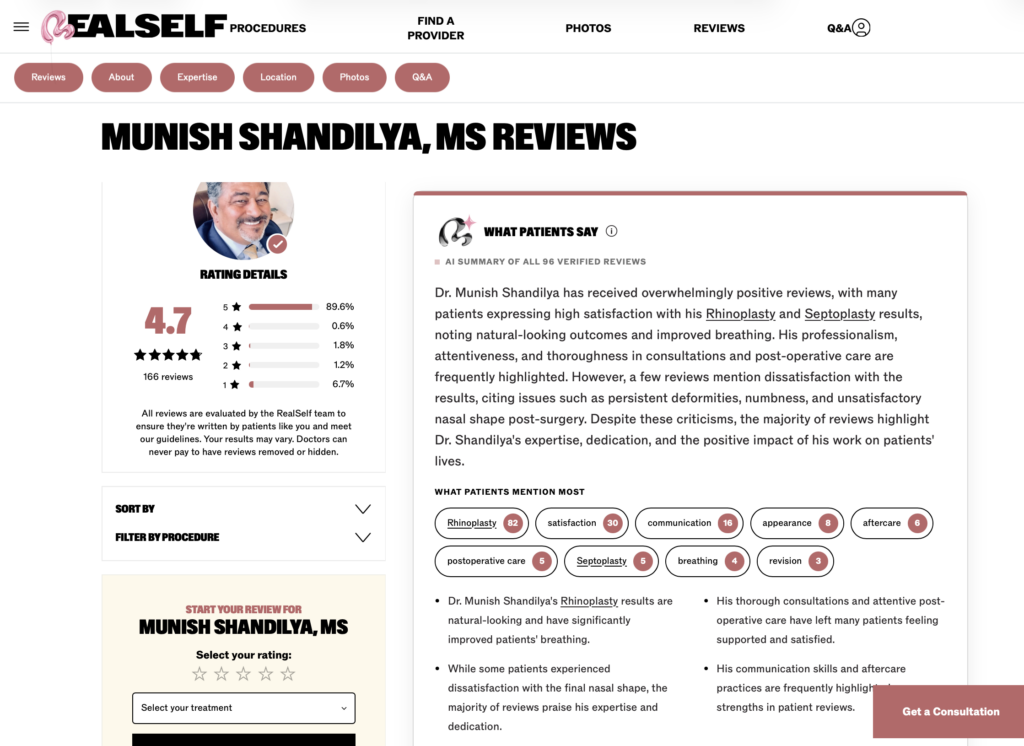

All our reviews are on Rhinoplasty only
SPECIALIST RHINOPLASTY CLINIC
SURGEON DR MUNISH SHANDILYA
RHINOPLASSTY.IE. Our Website
THENOSECLINIC.IE. Our Blog
Our Team. call save. 1800 911 501
[email protected]. our contact email
Our Clinics BLACKROCK CLINIC / BON SECOURS GLASNEVIN /UPMC WHITFIELDCLINIC
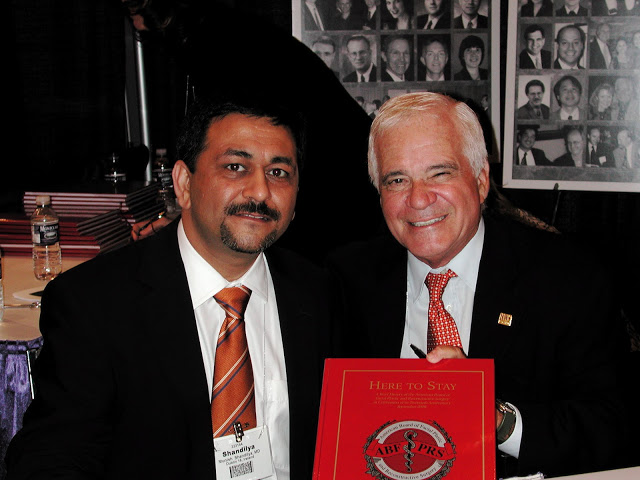
” HERE TO STAY ” 2006 TORONTO Munish Shandilya with Robert l Simon
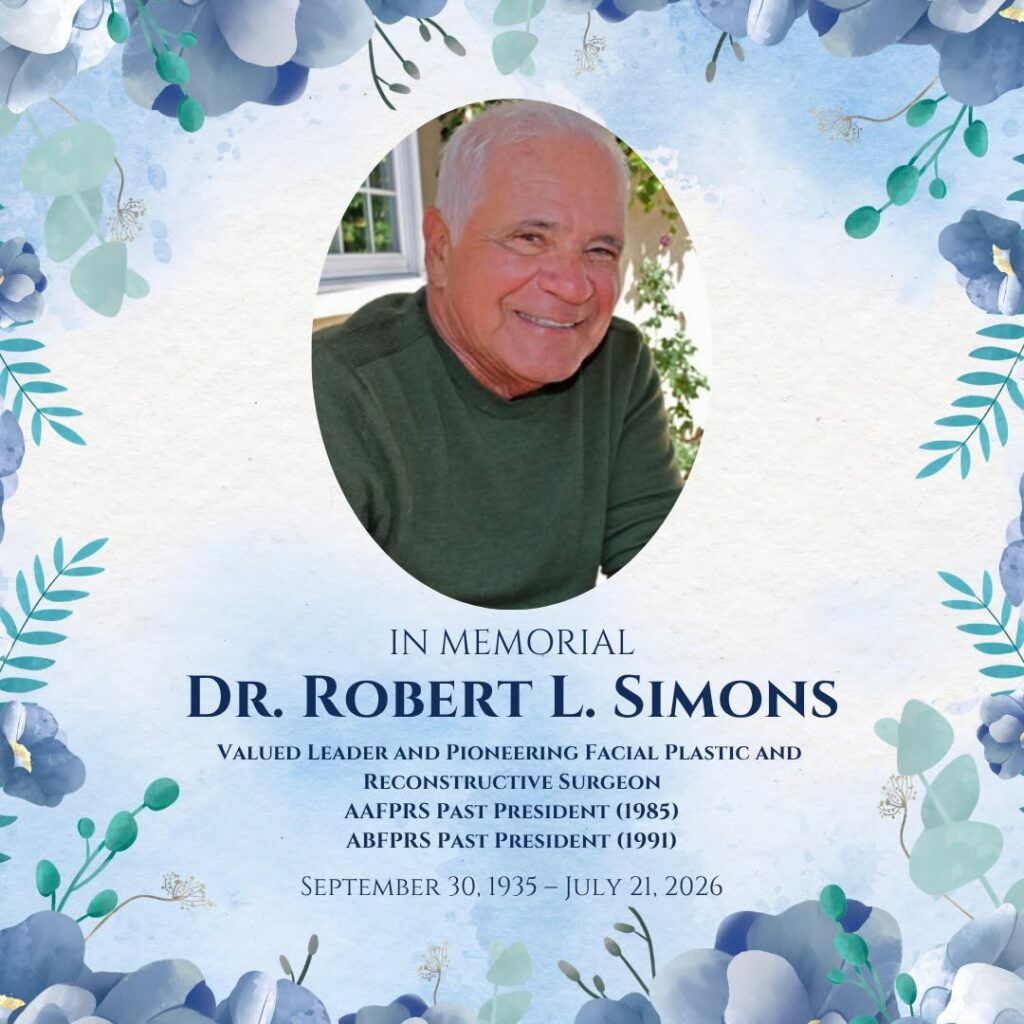
Dr. Robert L. Simons, a pioneering facial plastic and reconstructive surgeon and devoted family man, passed away peacefully on July 21, 2026, at the age of 90, surrounded by his family.
Dr. Simons was internationally recognized as one of the pioneers of modern facial plastic and reconstructive surgery. A gifted surgeon who specialized in rhinoplasty, he dedicated his career not only to advancing our specialty but also to educating future generations of physicians.
He was a founder and Past President (1985) of the American Academy of Facial Plastic and Reconstructive Surgery (AAFPRS), helping to establish the organization as the premier professional society for the specialty. Dr. Simons was also elected as the second President of the American Board of Facial Plastic and Reconstructive Surgery (ABFPRS) in 1991, where he helped shape the foundation, vision, and standards that continue to define ABFPRS excellence today.
Throughout his career, his focus on meticulous and innovative techniques and natural outcomes led him to be a greatly respected teacher and highly desired lecturer throughout the world.

Plastic Surgery Website Design and Medical Internet Marketing by WebToMed

